Diabetes in Pregnancy - Dr. Tomer Avnon, OB-GYN
Diabetes in Pregnancy
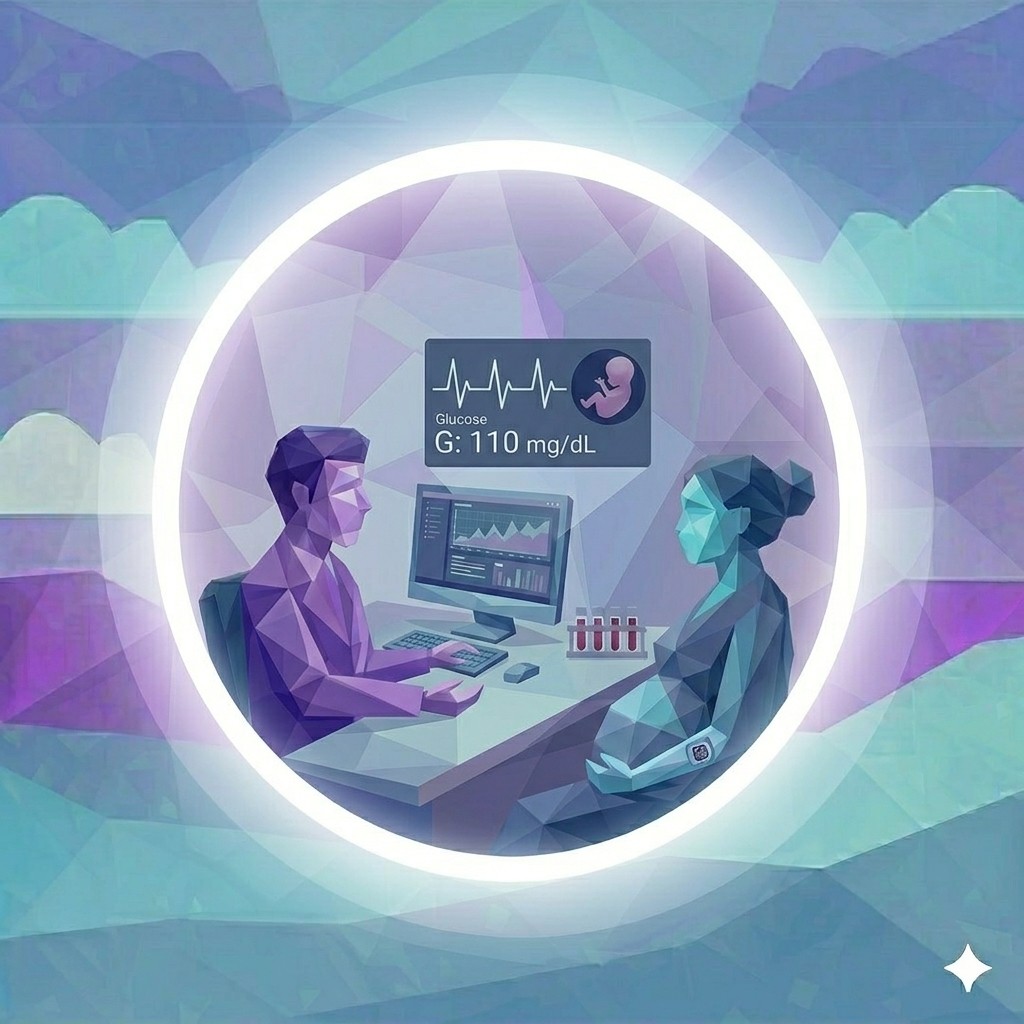
Pre-gestational diabetes (Type 1 or 2) requires careful optimization before conception and meticulous management throughout pregnancy. Uncontrolled glucose levels increase the risk of significant complications, including preeclampsia, placental dysfunction, and perinatal complications. My care focuses on close glucose monitoring, precise adjustment of medication or insulin, and frequent ultrasound surveillance to ensure healthy fetal development and mitigate these risks.
Gestational diabetes (GDM) typically surfaces in the second trimester due to hormonal shifts that increase insulin demand. If left unmanaged, it can lead to excessive fetal growth (macrosomia), increased amniotic fluid (polyhydramnios), and delivery complications. Management begins with dietary adjustments and structured home glucose monitoring. When needed, targeted medication is integrated into the plan to maintain optimal balance and ensure the well-being of both mother and baby.
Expertise in Diabetes Management & Personalized Care
As the Director of the Diabetes-in-Pregnancy Clinic at "Lis" (Tel Aviv Sourasky Medical Center - Ichilov), I bring extensive experience in managing the most complex cases in this field. My expertise allows me to provide an advanced medical envelope alongside a personal touch, high availability, and careful attention to your unique needs. I believe that through close collaboration and dedicated support, we can achieve optimal glucose balance, allowing you to move through your pregnancy with confidence and peace of mind.
Gestational Diabetes: Common Questions
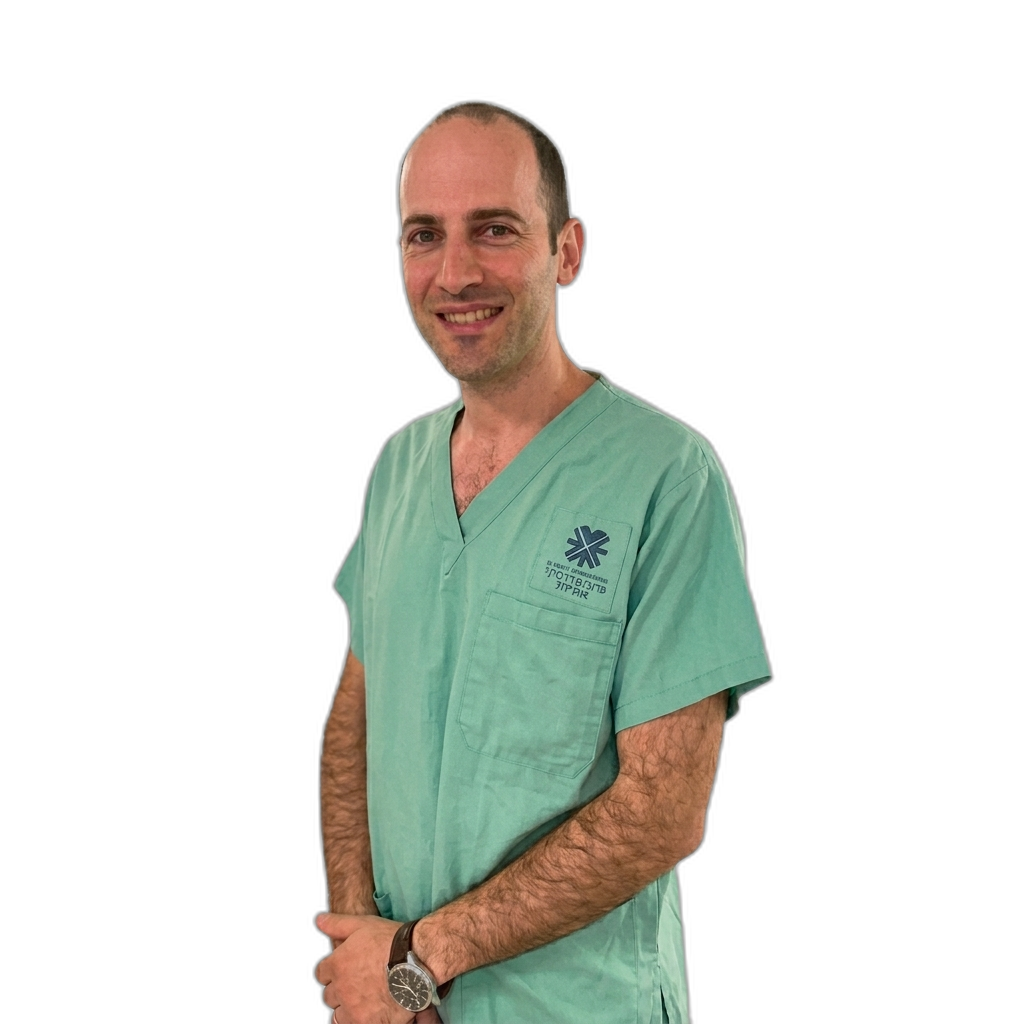
Gestational diabetes is very manageable with the right team. Whatever feels confusing, we will walk through it. I'm here to support and guide.
A gestational diabetes diagnosis can be overwhelming. I'm here to walk with you every step of the way, ensuring both you and your baby stay healthy and balanced throughout your journey.
Absolutely not. Gestational diabetes is the result of natural hormonal changes that occur during pregnancy. The placenta produces hormones to help the baby grow, which can sometimes make it harder for your insulin to work effectively. This is not a reflection of how well you've taken care of yourself—it's simply how your body is responding to the natural changes it's going through right now.
Diagnosis typically involves two steps:
1. Screening Test (50g): A simple test that doesn't require fasting. If the result is high, we move to the next stage.
2. Diagnostic Test (100g): A longer test that does require fasting. It's important to know that currently, even if only one out of the four values is abnormal, I treat it as gestational diabetes. This approach allows me to provide you with the best possible care from the very beginning and prevent unnecessary complications.
My main goal in balancing your sugar levels is to prevent the baby from producing excessive insulin. When your blood sugar is high, the baby also receives excess sugar and responds by producing more of their own insulin. This situation can lead to a few complications:
In the short term: Excessive growth (macrosomia), which can make delivery more difficult, and a risk of low blood sugar (hypoglycemia) for the baby immediately after birth.
In the long term: It reduces the risk of the child developing metabolic issues in the future.
With proper monitoring and balance, we can work together to maintain a healthy environment for your baby and ensure they get a strong, healthy start in life.
To help us closely track your blood sugar, I will ask you to do simple self-monitoring at home using a small, personal glucometer. The process is quick and involves a gentle finger-prick:
In the morning: Immediately upon waking (fasting).
After meals: 1 or 2 hours after the start of each main meal (breakfast, lunch, and dinner).
Think of these numbers as our "roadmap." They show me exactly how your body responds to different foods and physical activity. I highly recommend keeping a neat log of your readings alongside what you ate. Together, we can spot patterns and make precise adjustments to your meal plan whenever needed.
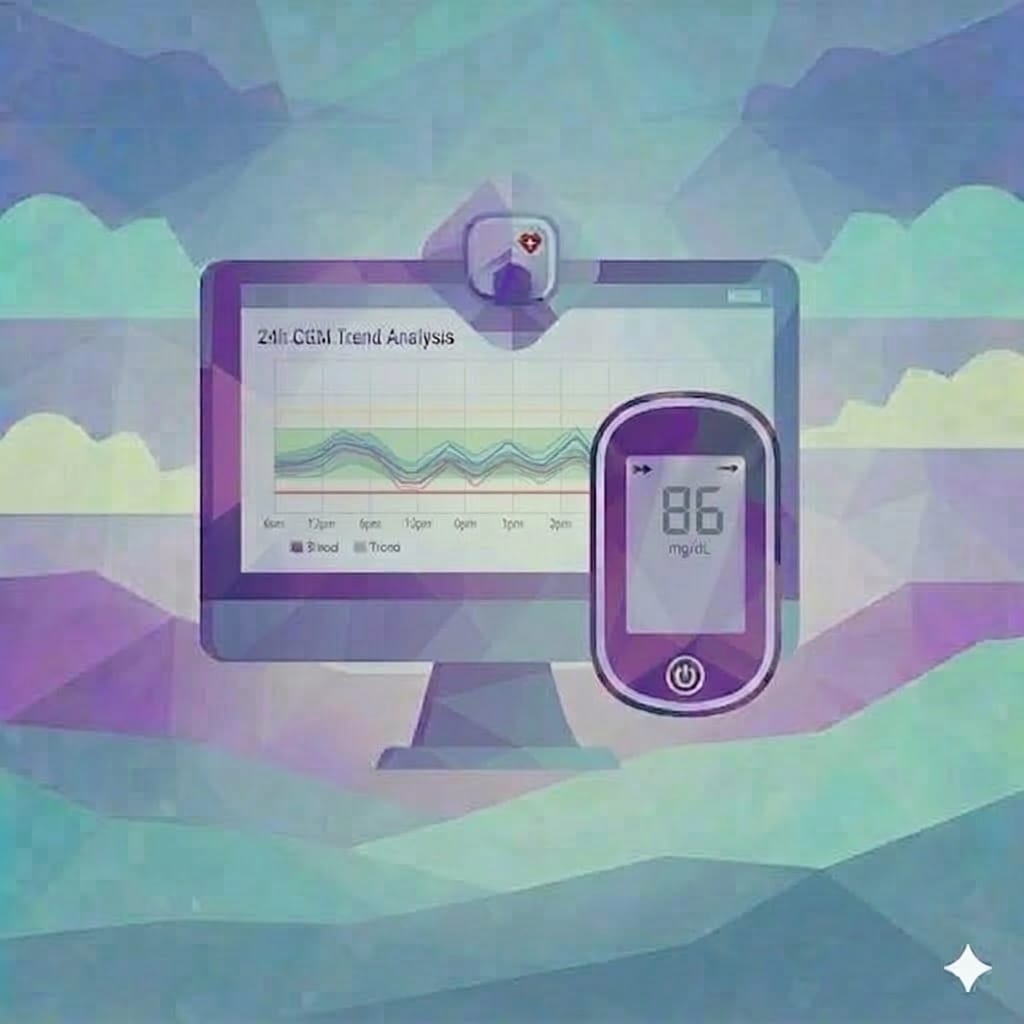
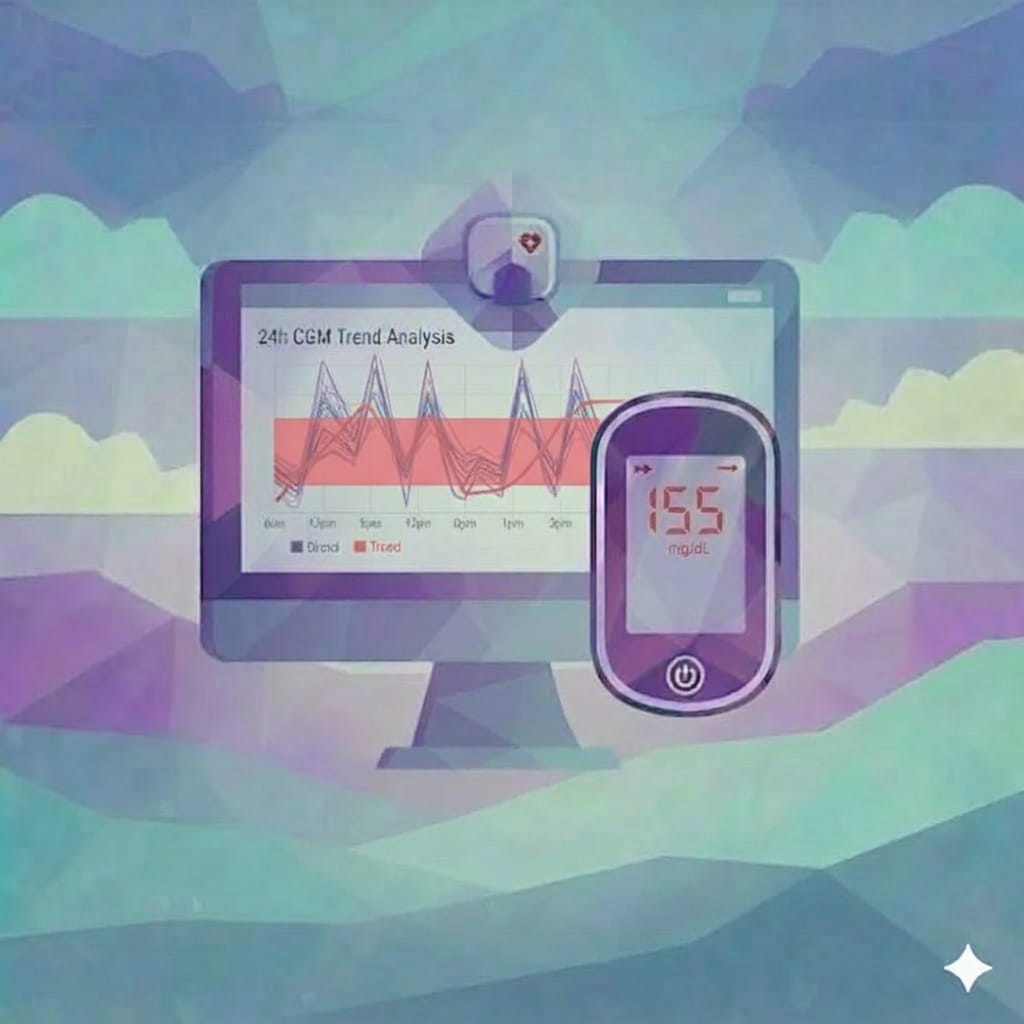
Absolutely! This advanced technology gives us a complete, continuous picture of your blood sugar levels 24/7. A Continuous Glucose Monitor (CGM) uses a tiny sensor placed on your arm to measure sugar levels automatically—with no need for repeated finger-pricks.
The biggest advantage for us: It doesn't just show a single snapshot in time; it shows the trend. We can see exactly whether your blood sugar is rising or falling after specific meals, and what happens while you sleep. Using a CGM can make your daily routine much easier and provide me with the precise data needed to tailor the best possible care plan for you.
To create the best possible environment for your baby, we set clear goals for your blood sugar levels:
Fasting (right when you wake up): Under 95 mg/dL.
1 hour after a meal: Under 140 mg/dL.
2 hours after a meal: Under 120 mg/dL.
An important note from me: If you see an occasional high number, please don't panic. Our goal is to look at the "big picture" and the overall trend, rather than focusing on a single spike.
Not at all! In fact, the vast majority of my patients successfully manage their blood sugar through a customized diet plan and moderate exercise, like daily walks. We will only consider medication or insulin if we see that lifestyle changes aren't quite enough to keep things safely balanced for you and your baby. We will make that decision together.
Usually, no. Once the placenta is delivered, blood sugar levels typically return to normal very quickly.
However, I will ask you to take a follow-up glucose tolerance test (75g) about 6 to 12 weeks after delivery. This is simply to make sure everything is back on track and to help you manage your long-term health.
